Preparing for a road trip is often filled with excitement, whether it’s a weekend getaway or a longer journey. However, nothing can derail plans faster than vehicle issues. A pre-trip safety inspection is not just a formality; it’s a vital step in ensuring your vehicle is roadworthy and that you and your passengers remain safe. This article delves into best practices for conducting thorough pre-trip checks and emphasizes the importance of vehicle safety inspections, particularly in regions like Whitehouse, TX.
Understanding the Importance of Pre-Trip Inspections
Vehicle safety inspections serve multiple purposes. They help in identifying potential issues before they become serious problems, ensuring compliance with local regulations, and enhancing overall road safety. In Texas, state inspections are required annually and involve checking various components of the vehicle to ensure they meet safety standards.
The significance of these inspections cannot be overstated. A well-maintained vehicle reduces the likelihood of breakdowns and accidents caused by mechanical failure. For instance, neglecting to check brake conditions might lead to reduced stopping power, putting everyone on the road at risk.
Common Issues Found During Inspections
Before embarking on any journey, familiarize yourself with common issues that often arise during vehicle inspections:
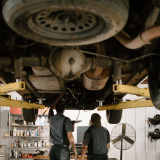
These are just a few examples where attention during pre-trip checks can prevent larger issues down the line.
The Checklist for Pre-Trip Safety Inspection
Conducting a comprehensive pre-trip inspection involves several steps, each critical to ensuring your vehicle ASE certified technician Whitehouse is ready for the road ahead.
Exterior Checks
Begin with an exterior walk-around of your vehicle:
- Tires: Check for proper inflation using a pressure gauge; refer to the manufacturer’s specifications located on the driver’s door jamb or inside the fuel filler cap. Inspect tread depth using the penny test: insert a penny into the tire tread; if you see all of Lincoln's head, it's time for new tires. Lights: Test all exterior lights including headlights, taillights, turn signals, and hazard lights. Have someone assist by activating each light while you observe from outside. Fluid Leaks: Look under your vehicle for any signs of leaking fluids which could indicate problems with oil, coolant, or transmission fluid.
Under-the-Hood Checks
Pop open the hood and conduct these essential checks:
- Oil Level: Use the dipstick to check oil levels; top off if necessary with the recommended oil type. Coolant Level: Ensure that coolant levels are adequate in both reservoir and radiator (when cool). Brake Fluid: Check that brake fluid is at appropriate levels—crucial for safe braking performance. Battery Condition: Inspect battery terminals for corrosion and ensure connections are tight; replace old batteries as needed.
Interior Checks
Don’t forget about what’s inside:
- Seatbelts: Test all seatbelts to ensure they latch securely and retract properly. Wipers & Washer Fluid: Ensure wiper blades are in good condition and refill washer fluid as necessary. Climate Control Systems: Test heating and air conditioning systems to ensure comfort during travel.
Conducting Specialized Inspections
Certain vehicles may require more specialized checks depending on their usage:
Commercial Vehicles
For those operating commercial vehicles or fleets in areas such as Whitehouse TX, additional emphasis should be placed on compliance inspections according to federal regulations. Ensuring that load limits are adhered to and that emergency equipment such as fire extinguishers and first aid kits are present is crucial.
Diesel Vehicles
Diesel vehicles may require specific attention regarding fuel quality and exhaust systems due to emissions regulations in Texas. Regular monitoring of diesel filters is essential alongside ensuring proper functioning of emission control systems to comply with state laws.
Seeking Professional Assistance
While many pre-trip checks can be performed independently by drivers who are comfortable with basic maintenance tasks, there are instances when professional assistance becomes necessary:
If you lack experience or tools for certain checks (like lift access needed for suspension inspection), consulting a certified technician ensures accuracy. Annual state vehicle inspections mandated by Texas law should always be conducted at licensed inspection stations where ASE-certified technicians will provide thorough evaluations based on current standards. Post-repair inspections following significant work done on your car should also be performed professionally to confirm everything functions correctly before hitting the road again.Emphasizing Routine Maintenance
Incorporating routine maintenance into your driving habits not only extends your vehicle's lifespan but also enhances safety significantly. Staying ahead means adhering to suggested service intervals recommended by manufacturers—these typically cover oil changes, filter replacements, tire rotations, brake pads replacement schedules, etc.
Consider establishing a relationship with an auto maintenance shop near Whitehouse TX where you can get reliable service tailored specifically to your needs as well as those unique factors related to our local climate conditions—like how heat affects tire wear or battery performance over time.
Understanding Local Regulations
Being informed about local laws regarding vehicle inspections in areas like Whitehouse TX helps ensure compliance while keeping yourself safe out on those roads! Texas mandates certain safety features must pass inspection including functional lights (headlights/tail/turn signals), brakes' effectiveness tests along with emissions standards that vary per county depending upon population density among other variables influencing air quality concerns across neighborhoods statewide.
Familiarize yourself with specific requirements applicable within this region so you aren't caught off guard when it's time for annual renewals at official inspection stations near you!
The Bottom Line
Making pre-trip checks part of your routine doesn’t just save time—it saves lives too! By taking proactive measures before hitting the road through thorough automotive assessments—both personally conducted ones alongside professional inspections—you set yourself up for success during every journey ahead! Prioritizing safety inspection practices ensures smooth travels across miles whether heading toward picturesque destinations within East Texas or further afield beyond state borders altogether!
Ultimately investing effort into understanding these procedures will yield dividends down the line not only financially but through peace-of-mind knowing you've taken steps necessary towards safeguarding both passengers aboard along scenic highways stretching far beyond sightlines!