Diesel vehicles play a crucial role in various sectors, from transportation to agriculture and construction. Their robust performance and fuel efficiency make them popular choices for businesses and private owners alike. However, these vehicles also require specialized inspections to ensure they operate safely and effectively. Different systems and components in diesel engines necessitate a tailored approach to vehicle safety inspection that differs significantly from gasoline-powered vehicles.
Understanding Diesel Engines
Diesel engines operate on a different principle than their gasoline counterparts. They rely on compression ignition rather than spark ignition, which means that the air is compressed to such an extent that it ignites the fuel when injected. This process generates higher torque at lower RPMs, making diesel engines particularly effective for heavy-duty applications. However, the complexity of these engines introduces unique challenges.
For instance, diesel engines often have turbochargers and intercoolers, which can be susceptible to wear or damage if not properly maintained. Additionally, the fuel system in diesel vehicles involves high-pressure pumps and injectors that must be thoroughly inspected during safety evaluations.
The Importance of Specialized Inspections
While all vehicles benefit from regular inspections, diesel vehicles require more specialized attention due to their unique components and operational demands. A standard safety inspection might miss critical issues that could lead to significant failures or safety hazards.
Emissions Control: Diesel engines produce different emissions than gasoline engines, including nitrogen oxides (NOx) and particulate matter (PM). In many regions, including Texas, diesel vehicles must pass stringent emissions tests as part of the inspection process. These tests assess whether the vehicle meets state regulations regarding emissions levels.
Fuel System Integrity: The fuel delivery system in diesel vehicles is under considerable pressure, which means any leaks or malfunctions can pose serious risks. Inspectors focus on ensuring there are no fuel leaks in the lines or around injectors and check for signs of wear or corrosion that could affect performance.
Exhaust Systems: Diesel exhaust systems often include components like catalytic converters designed specifically for diesel engines. Inspecting these systems ensures proper functioning and compliance with environmental regulations.
Cooling Systems: The heat generated by a diesel engine can be substantial, necessitating efficient cooling systems. Inspectors look closely for coolant leaks and assess radiator integrity to prevent overheating during operation.
Brakes and Suspension: Given the weight of most diesel vehicles—especially trucks—the brake and suspension systems endure heavier loads than those found in lighter cars. Regular inspections help identify wear that could compromise safety under load conditions.
Components of a Specialized Inspection
A comprehensive inspection for a diesel vehicle typically includes several key components:
- Multi-Point Safety Inspection: This thorough evaluation covers all major vehicle systems including brakes, tires, steering, lights, suspension, and more. Emissions Testing: As mentioned earlier, this step is essential for regulatory compliance. It checks that emissions levels fall within acceptable limits. Brake Inspection: Inspectors examine both the hydraulic system and mechanical components of the braking system to ensure optimal performance. Suspension Assessment: This includes checking shock absorbers, springs, control arms, and bushings for wear or damage. Fluid Checks: All fluid levels are evaluated—engine oil, transmission fluid, coolant—and any necessary replacements or top-offs are noted.
Compliance with State Regulations
In Texas, compliance with state vehicle inspection requirements is non-negotiable certified vehicle testing for all drivers. Diesel vehicles undergo an annual vehicle inspection where certified inspectors assess legal compliance based on safety standards set forth by state authorities.
The Texas Department of Public Safety mandates specific guidelines concerning emissions testing as part of the annual inspection process for diesel vehicles registered in certain areas. Failing to comply with these regulations not only poses potential fines but also increases risks associated with operating an unsafe vehicle on public roads.
The Role of Certified Inspectors
To achieve thorough inspections that adhere to regulatory standards requires skilled professionals with training specific to diesel technologies. Certified inspectors often possess ASE certifications (Automotive Service Excellence), demonstrating their capability in handling complex engine systems effectively.
These experts can identify subtle signs of wear or malfunction that may escape untrained eyes during routine inspections conducted by less experienced personnel. Their insights are invaluable in pre-trip inspections as well as post-repair evaluations after significant work has been carried out on the vehicle's engine or drivetrain components.
Common Challenges Faced During Inspections
Despite rigorous training and experience among certified inspectors, several challenges can arise during specialized inspections:
- Access to Components: Some parts within a diesel engine may be difficult to access without disassembling other elements first—a time-consuming process that can delay inspections. Evolving Technology: Newer models may incorporate advanced technologies such as electronic monitoring systems which require additional knowledge beyond traditional mechanical understanding. Environmental Factors: Conditions such as extreme weather can influence both engine performance and component durability; inspectors need awareness of local climate impacts when assessing overall vehicle condition.
How Owners Can Prepare for Inspections
Owners should take proactive steps leading up to their scheduled inspections:
Regular Maintenance: Keeping up with routine maintenance schedules helps ensure critical components remain in good working order.
Document Your Work: Maintaining records of previous repairs provides inspectors context about your vehicle’s history—potentially speeding up diagnosis processes during evaluations.
Pre-Inspection Checks: Before taking your vehicle in for its official inspection consider performing basic checks yourself—monitor fluid levels visually inspect tires for wear patterns check lights function correctly—and repair any minor issues beforehand whenever possible.
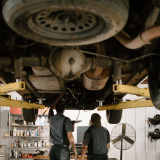
Choosing Licensed Stations Wisely: Seek out official inspection stations known for their expertise with commercial trucks or specialized diesel equipment since they will likely offer more reliable assessments compared against general-purpose shops lacking focus in this area.
Conclusion
Specialized inspections are essential not just for compliance reasons but also for safeguarding lives on our roads while maximizing performance longevity within every aspect of operating a diesel-powered vehicle—from farm equipment through fleet management logistics transport operations daily commuting needs alike—all requiring diligence towards preventive care practices focusing heavily upon thoroughness throughout each stage involved during periodic assessments carried out consistently year-round!
By understanding how these processes work—and why they matter—you empower yourself as both an informed driver navigating everyday journeys ahead equipped knowledge-wise ready tackle challenges head-on while ensuring optimal functionality across every facet concerning ownership responsibilities associated therein!